

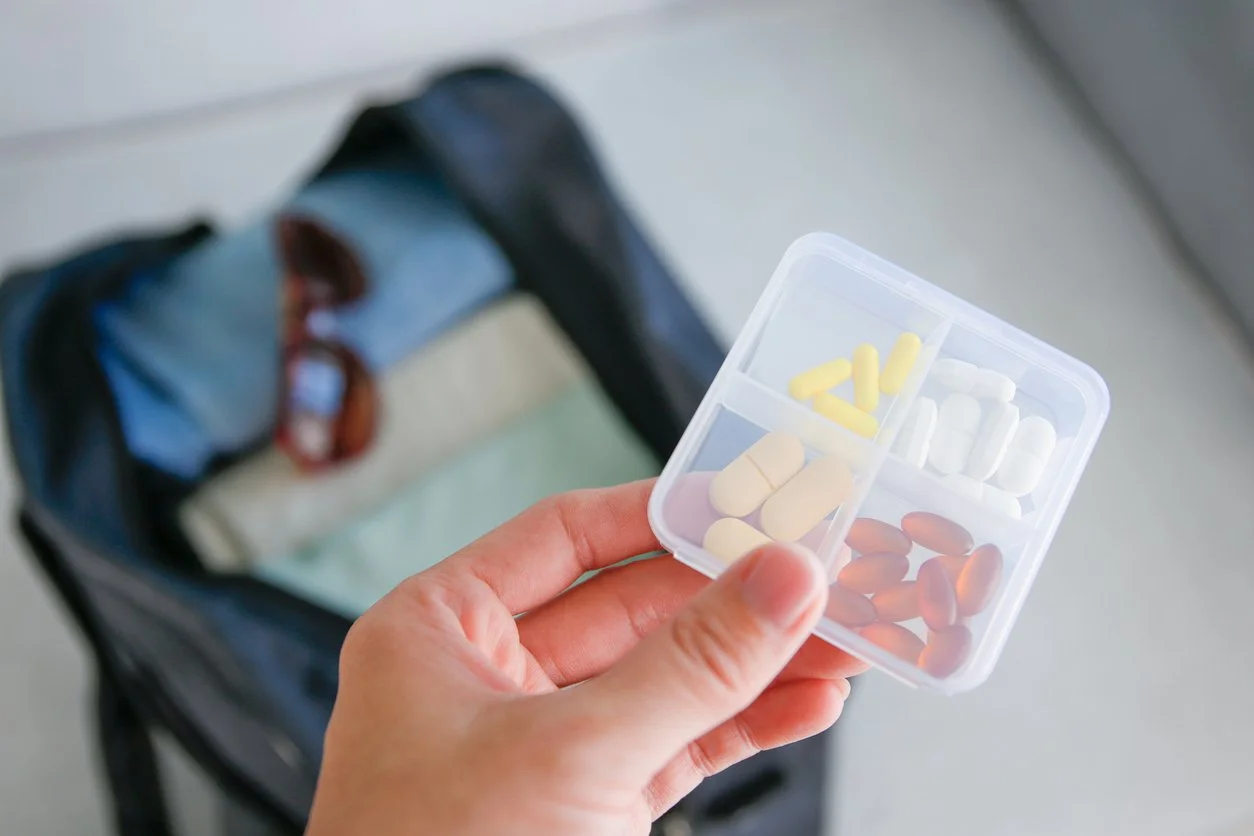
Preventative Travel Medication for Men
Heading overseas is exciting, but getting knocked out by traveler’s diarrhea can ruin a trip fast. Preventative travel medication lets you pack treatment before you go, so you can handle symptoms quickly and avoid derailing your plans.
What is preventative travel medication?
Preventative travel medication is a set of prescription and over‑the‑counter medicines you carry with you to manage common travel‑related illnesses, especially traveler’s diarrhea. Instead of scrambling to find a clinic in a new country, you start treatment as soon as symptoms begin.
For many travelers, this includes a standby antibiotic, an anti‑diarrheal medicine, and clear instructions on when and how to use each medication safely.
Why traveler’s diarrhea is so common
Traveler’s diarrhea is usually caused by bacteria or other germs in food or water that your body is not used to. Risk is highest in many parts of the world where sanitation and food handling practices vary.
Even when you are careful, you can still get sick from:
Contaminated drinking water, ice, or uncooked foods.
Street food or buffets that have been sitting out.
Raw fruits and vegetables washed in unsafe water.
Most cases are short‑lived but can be severe enough to cause dehydration, missed work, and lost travel days.
What Sabuche Health can prescribe
During a telehealth visit before your trip, a clinician can review your itinerary, health history, and medications, then decide if preventative travel medication is appropriate. When it is, your kit may include:
Standby antibiotic (such as azithromycin): Taken when you develop significant diarrhea, often defined as multiple loose stools in a day plus cramps or other symptoms.
Anti‑diarrheal medicine (such as loperamide): Used short‑term to reduce stool frequency when you need to travel, attend meetings, or get through transport days.
If you cannot take a specific antibiotic due to allergy or other reasons, an alternative may be considered based on where you are going and your health profile.
Your clinician will explain:
When to start each medication.
How long to take it.
When to stop and seek in‑person medical care instead.
How a telehealth visit works
Before you travel, schedule an online visit with Sabuche Health. During the visit, the clinician will:
Confirm where and when you are traveling and how long you will be away.
Review your medical history, allergies, and current medications.
Ask about heart, liver, and kidney issues and any past reactions to antibiotics or anti‑diarrheal medicines.
If preventative travel medication is appropriate, prescriptions are sent to your local pharmacy so you can pick them up before departure. You will also receive instructions on safe food and water habits and signs that mean you should see a doctor during your trip.
Safety tips and when to seek help
All medications have possible side effects and warnings, which your clinician will review with you. Important points often include:
Not exceeding recommended doses of anti‑diarrheal medicine since very high doses can affect the heart.
Watch for severe stomach pain, bloody diarrhea, high fever, or ongoing symptoms, which may need in‑person care.
You will also be advised on general prevention, such as choosing safe foods and drinks and using hand hygiene as often as possible, even though no strategy can reduce risk to zero.
Why travelers choose Sabuche Health
Sabuche Health lets you prepare from home instead of trying to squeeze in a last‑minute clinic visit. Telehealth visits are designed to be efficient and practical, focusing on what you really need to stay ahead of common travel illnesses.
You get:
Clinician guidance tailored to your destination and travel style.
Clear medication plans you can carry with you.
Peace of mind that you are not starting from zero if you get sick on the road.
If you have an upcoming trip, scheduling a preventative travel medication visit now is an easy way to protect your time, energy, and investment in your travel plans.